The administration of inhaled anesthetics depends on diffusion from the lungs into the blood and the brain. Classical pharmacokinetic–pharmacodynamic (PK-PD) models treat this as deterministic, assuming uptake and washout produce consistent effects. In practice, however, both the movement of gas…
Year: 2025
Quantum Computing and Electroencephalography (EEG): A New Frontier in Anesthesia Monitoring?
Electroencephalography (EEG) remains the most direct bedside signal of cerebral function available to anesthesiologists and is central to some depth-of-anesthesia monitoring, delirium risk stratification, and tailored dosing strategies. Recent advances in signal processing and machine learning have already improved the…
Quantum Signal Interpretation and Beat-to-Beat Heart Rate Variability in the OR
Heart rate variability (HRV) has long been recognized as a window into autonomic nervous system balance. In anesthesia, it offers insights into vagal tone, sympathetic activation, and perioperative stress. Yet, traditional HRV analysis often falls short in the operating room…
Surgeries with the Highest Incidence of Postoperative Shivering
Postoperative shivering is a common and often distressing complication in surgical patients. It is caused by perioperative hypothermia, which is exacerbated by anesthetic-induced thermoregulatory impairment. The incidence of shivering varies depending on the type of surgery, anesthetic technique, and individual…
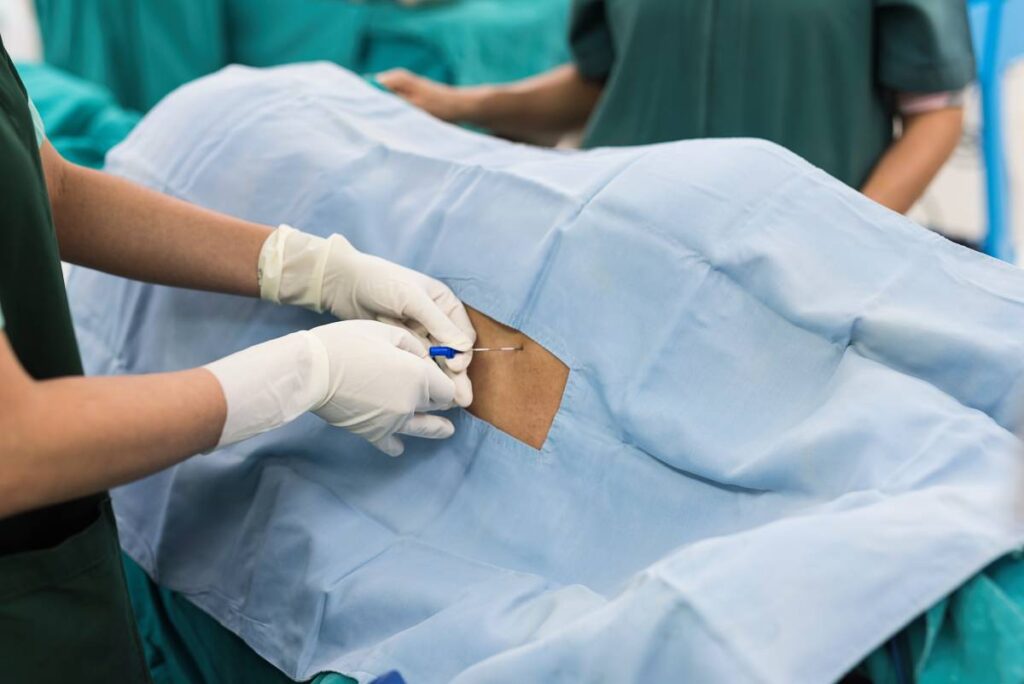
Positioning a Patient with a Broken Bone for Spinal Anesthesia
Patients with a fracture may require surgery to reposition or restructure their bones, and spinal anesthesia is an excellent tool for pain management in many orthopedic surgeries. However, positioning these patients for the administration of spinal anesthesia presents unique clinical…
Resources for Anesthesia Billing Teams
For billing teams specializing in anesthesia, access to up-to-date resources is essential to ensure accurate claims processing, compliance with changing regulations, and maximized revenue capture.
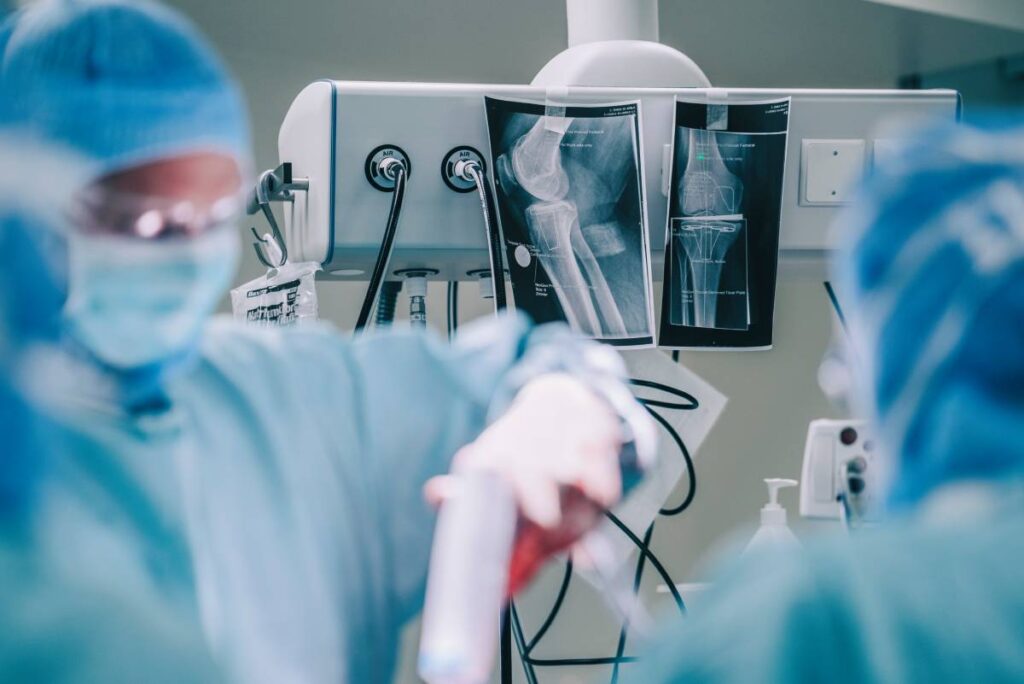
Visualization During Joint Surgery
As Americans age and the prevalence of osteoarthritis and other degenerative joint diseases increases, the demand for joint surgery continues to rise. In the United States alone, over one million total joint arthroplasty procedures are performed annually, and this number…
Certifications and Inspections for a New ASC
Ambulatory Surgery Centers (ASCs) offer a cost-effective alternative to hospital-based surgical care (1). ASCs create a comfortable environment for patients who do not require hospitalization after surgery. They have experienced rapid growth in the US in recent years as more…
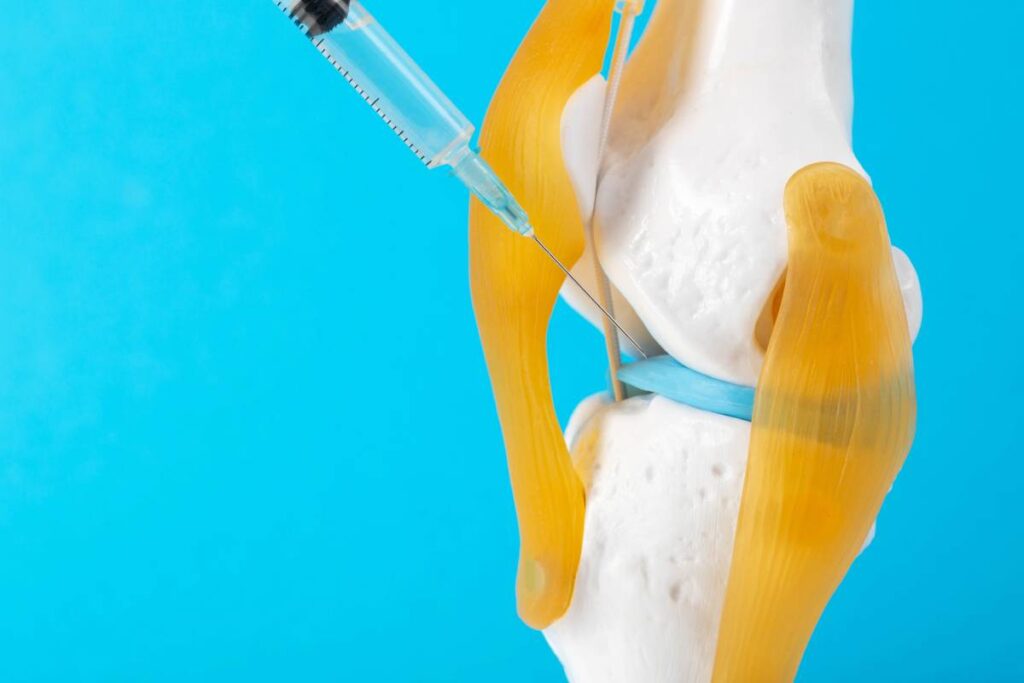
Peripheral Nerve Block vs. Intra-Articular Block
Peripheral nerve blocks and intra-articular blocks are two common pain management techniques used in various clinical settings. Peripheral nerve blocks are a type of regional anesthesia that involve injecting local anesthetics and other painkillers near specific nerves or groups of…
Personal Items in the OR
The presence of personal items in the operating room (OR) raises concerns related to sterility, infection control, and procedural efficiency. Despite strict guidelines aimed at maintaining an aseptic environment, the use of personal items by healthcare professionals in the OR…