Disclaimer: This article is intended solely for informational and educational purposes only. It does not constitute medical advice. Neuraxial anesthesia is traditionally achieved with local anesthetics such as bupivacaine, lidocaine, and ropivacaine, which produce reversible sensory and motor blockade by inhibiting…
Year: 2026
Comparison of Opioid Prescribing Practices Between the U.S. and Other Countries
Over-reliance on opioids and the risk of patients subsequently developing opioid dependence remain significant problems within the American healthcare system, affecting tens of thousands of patients each year. While severe pain management is an important component of postoperative care, a…
Intubation Approach for Patients with a Cervical Collar
Cervical collar placement is a standard initial immobilization strategy for patients with suspected cervical spine injury, intended to maintain neutral alignment and reduce the risk of secondary neurologic damage. However, airway management in this context presents a significant clinical challenge.…
Accuracy of AI Large Language Models for Medical Information
The integration of large language models (LLMs) into healthcare and the daily lives of many people has raised critical questions regarding the accuracy of AI-generated medical information. While early enthusiasm has emphasized their potential to improve access to knowledge and…
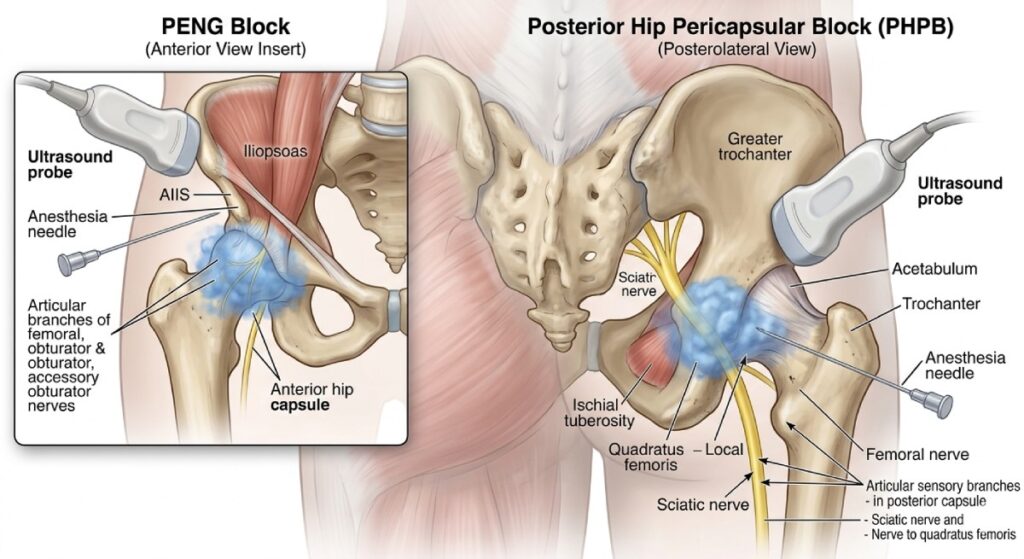
Modified Pericapsular Nerve Block for Total Hip Arthroplasty
Total hip arthroplasty is a surgical procedure that treats end-stage hip osteoarthritis and other debilitating hip conditions. However, postoperative pain remains a significant concern, as inadequate analgesia can delay mobilization, prolong hospital stays, and increase complication risks. Regional anesthesia techniques…
Cardiac Risk Assessment After Noncardiac Surgery
Cardiac complications are a significant driver of postoperative morbidity and mortality in patients undergoing noncardiac surgery. The physiological stress of surgery can lead to myocardial ischemia, arrhythmias, or heart failure, especially in patients with preexisting cardiovascular disease. Even for noncardiac…
Perspectives on the Future of Private Equity in Medicine
Private equity has become a dominant force in U.S. healthcare, creating a stark divide between investors, who prioritize efficiency and growth, and clinicians, who warn of serious risks. Since 2012, private equity firms have executed more than 8,000 healthcare transactions,…